Review: Cooking in a Charcoal Pan Design
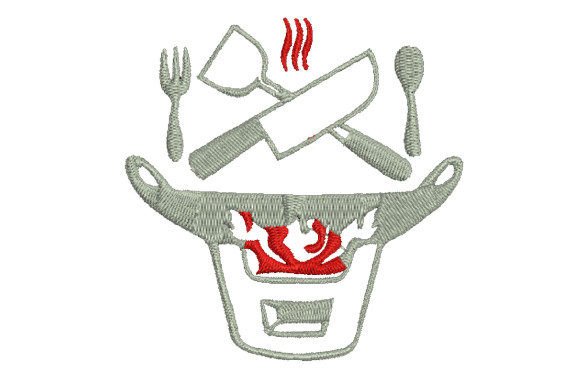
As an embroidery designer who has spent years digitizing and testing thousands of motifs, I approach every new machine embroidery design with a mix of curiosity and caution. We all know that what looks perfect on a screen does not always translate seamlessly to fabric. Recently, I had the opportunity to test a unique motif titled Cooking in a Charcoal Pan. This piece is not just a decorative element; it is a logo-inspired design rooted in the authentic culinary traditions of Thailand, where charcoal stoves are the heart of the kitchen. For those of us in the handmade community, finding a design that balances cultural authenticity with commercial appeal is rare. Here is my honest review of how this design performs when applied to real-world personalized gift products.
First Impressions: Mood and Aesthetic Appeal
When I first loaded the digital embroidery file into my software, the immediate impression was one of warmth and rustic charm. The design captures the essence of traditional cooking, evoking memories of smoky aromas and communal meals. It feels less like a modern, sterile graphic and more like a handmade tribute to heritage. The mood is distinctly cozy and inviting, which makes it an excellent candidate for home decor and kitchen textiles. It does not scream "trendy"; instead, it offers a timeless, classic feel that appeals to customers who value authenticity and storytelling in their purchases. For an Etsy seller or a small shop owner, this emotional connection is vital. It transforms a simple item into a conversation piece.
Versatility Across Product Categories
The true test of any design is its versatility. I experimented with placing Cooking in a Charcoal Pan on various substrates to see where it shines brightest. The results were surprisingly diverse, offering opportunities across several niches.
- Kitchen Textiles: This is the most natural fit. An embroidered towel or a custom apron featuring this motif creates an instant focal point. The rustic nature of the charcoal pan complements the texture of linen and cotton beautifully.
- Tote Bags: For the eco-conscious shopper, a canvas tote with this design serves as a stylish accessory for farmers' market runs. It signals a love for fresh ingredients and traditional cooking methods.
- Pillow Covers: Placing the design on a neutral-toned pillow cover adds a touch of worldly sophistication to a living room or dining area. It works particularly well in spaces decorated with earth tones and natural materials.
- Wedding and Housewarming Gifts: While not traditionally romantic, this design makes a thoughtful wedding gift for couples who love to cook together. It symbolizes the warmth of the home and the joy of sharing meals.
However, I must address the baby niche. While baby embroidery is a huge market, this specific design might be too thematic for nursery items unless the parents are specifically looking for a culinary-themed room. It lacks the softness typically associated with blanket embroidery for infants. Therefore, I would recommend steering this design toward adult-focused gifts rather than baby products.
Navigating Technical Challenges
Every designer knows that detail level dictates success. When working with Cooking in a Charcoal Pan, there are specific technical considerations to keep in mind to ensure a high-quality finished product.
Fabric Texture and Stabilizer Choice
The design features elements that represent the charcoal and the pan, which may involve varying stitch density. On textured fabrics like waffle-weave towels or heavy canvas, finer details can get lost. I strongly advise using a cut-away stabilizer for stretchy fabrics and a tear-away for stable woven materials. Always test on scrap fabric first. If you are stitching on a thick terry cloth towel, consider using a water-soluble topping to prevent the stitches from sinking into the pile, ensuring the logo remains crisp and legible.
Scale and Hoop Size
Before starting your project, confirm the recommended hoop size. If the design includes small lettering or intricate lines representing the charcoal embers, shrinking it too much will cause thread breaks and poor definition. Conversely, enlarging it excessively might reveal gaps in the stitching if the original digitizing was optimized for a smaller scale. Check the small details after stitching a test sample. If the lines look jagged or the fill stitches are sparse, you may need to adjust the pull compensation or choose a different thread weight.
Color Contrast and Thread Selection
Thread color choice is critical for this design. Since it depicts a charcoal pan, using dark grays and blacks against a dark fabric will result in a invisible mess. Always compare light and dark fabric mockups. For a dark apron, use metallic or bright orange threads to highlight the "heat" of the charcoal, creating a striking visual contrast. For a light linen towel, traditional earth tones will provide a subtle, elegant look. Remember, the goal is to enhance the custom embroidery experience, not to obscure it.
Boosting Perceived Value and Sales
From a business perspective, Cooking in a Charcoal Pan has strong potential to increase perceived value. Customers are increasingly drawn to products that tell a story. By highlighting the Thai inspiration behind the design, you create an emotional bridge between the maker and the buyer. This narrative enhances trust and positions your handmade product as a curated item rather than a mass-produced commodity.
Product photography plays a huge role here. Stage your embroidered items with relevant props—fresh herbs, wooden spoons, or clay pots—to reinforce the culinary theme. A well-staged photo can significantly improve buyer engagement on platforms like Etsy. Furthermore, offering this as part of a bundle, such as a matching apron and towel set, can increase your average order value. It shows that you have thoughtfully considered how the design fits into the customer’s lifestyle.
Final Verdict for Small Business Owners
In conclusion, Cooking in a Charcoal Pan is a robust and charming addition to any embroidery portfolio, particularly for those specializing in kitchenware and home decor. It is not a one-size-fits-all solution, but its strength lies in its specificity and cultural resonance. For commercial embroidery purposes, it offers a unique angle that stands out in a saturated market of generic floral and monogram designs.
Before adding it to your shop, ensure you have the correct commercial licensing. Since this was originally designed as a logo for a restaurant, verify that your license allows for resale on physical goods. Once cleared, treat it with the care it deserves: test your tension, choose your stabilizer wisely, and let the story of the charcoal stove shine through your stitching. Whether you are creating a personalized gift for a foodie friend or stocking your online store with unique kitchen textiles, this design offers a delightful blend of tradition and craft.
For more tips on selecting the right embroidery file for your next project, keep experimenting with different fabrics and threads. The best way to master a design is to stitch it, critique it, and refine your process. Happy stitching!