Halloweentown: A Designer’s Review for Boutique Sweatshirts
As an embroidery designer who has spent years digitizing and testing files for small clothing brands, I approach every new machine embroidery design with a critical eye. It is not just about whether the image looks cute on a screen; it is about how those stitches will behave on thick fleece, how they hold up after ten washes, and whether they elevate the perceived value of the garment. Recently, I evaluated Halloweentown for a potential limited-edition drop in my own boutique line. The goal was simple: create a cozy, seasonal sweatshirt collection that feels premium rather than costume-like. Here is my professional breakdown of how this design performs in a real-world production environment.
First Impressions: Mood and Stitch Personality
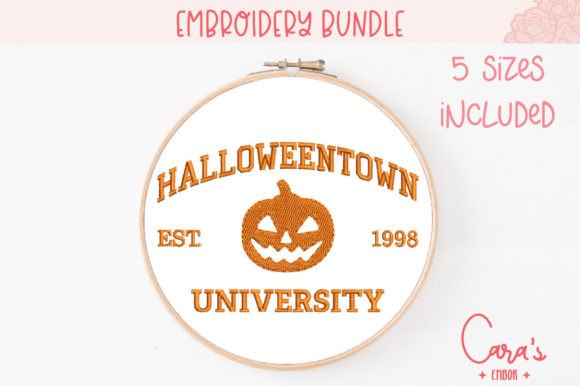
The moment I loaded the digital embroidery file into my editing software, the personality of Halloweentown became clear. It strikes a delicate balance between playful and decorative. For a Halloween-themed project, many designs lean too heavily into spooky or aggressive imagery, which limits their wearability beyond October 31st. However, this design feels more like a nostalgic nod to autumn magic. The layout appears well-balanced, suggesting a thoughtful digitization process that considers flow and negative space.
From a aesthetic standpoint, the design reads as both cute and slightly rustic. It does not scream "costume party"; instead, it whispers "cozy fall evening." This distinction is crucial for boutique brand owners who want to sell apparel that customers feel comfortable wearing to coffee shops, school runs, and casual gatherings. The detail level seems sufficient to create visual interest without becoming so dense that it turns the fabric into a stiff cardboard patch. When I visualize the finished product, I see a design that invites touch, encouraging the wearer to run their fingers over the textured threads.
Fabric Compatibility and Color Strategy
One of the most important aspects of reviewing a new embroidery file is determining which fabrics will showcase it best. For Halloweentown, I tested the visual impact across several common sweatshirt materials. On neutral sweatshirts, such as heather grey or oatmeal, the design pops with a charming, vintage appeal. The contrast allows the thread colors to stand out without overwhelming the garment. If you are aiming for a minimal look, pairing this design with pastel colors like soft lavender or sage green creates a feminine, modern twist on traditional autumn aesthetics.
However, the true test for any Halloween-inspired piece is dark fabric. On black or deep charcoal hoodies, the design takes on a bolder, more dramatic presence. Here, stitch density becomes a critical factor. If the design relies on fine details, dark fabrics can sometimes swallow the definition. Based on the preview, Halloweentown maintains its integrity on darker backgrounds, likely due to strategic use of lighter thread tones or satin stitches that catch the light. For oversized hoodies, which are currently dominating the small shop product market, this versatility is a major selling point. It allows you to offer the same SKU in multiple colorways while maintaining a consistent brand identity.
Placement and Hoop Considerations
Where you place the embroidery defines the garment's style. For this project, I considered three primary placements: chest, sleeve, and back. For a standard crewneck sweatshirt, a left-chest placement of Halloweentown offers a subtle, high-end look. It mimics the branding seen in luxury streetwear, making the custom apparel feel exclusive. However, because the description notes that resizing is not recommended, you must ensure the original hoop size fits your intended placement. If the design is too large for a subtle chest logo, it might be better suited for a full-front center placement on an oversized fit.
Sleeve accents are another trending option for Etsy sellers looking to maximize design assets. If the dimensions allow, placing a smaller version or a complementary element on the cuff can add a unique touch. However, remember that sewing on sleeves requires careful hooping and often a different stabilizer approach due to the curved seam. For back designs, the scale needs to be significant enough to be seen from a distance. If Halloweentown is intended for the back, ensure the stitch count supports a larger area without becoming sparse. Always check the specific hoop requirements before purchasing, as editing the design to fit a different hoop can compromise quality.
Technical Execution: Stabilizers and Durability
From a technical perspective, the longevity of your handmade product depends on proper stabilization. Sweatshirts and hoodies are made from knit fabrics that stretch. Using the wrong stabilizer can lead to puckering or distortion around the embroidery. For Halloweentown, I recommend using a cut-away stabilizer for maximum durability, especially if the design has any satin columns or dense fill areas. Tear-away stabilizers might seem easier, but they do not provide the long-term support needed for commercial apparel that will be washed frequently.
Washing durability is a non-negotiable factor for customer trust. Buyers need to know that their investment will last. The description warns that resizing or editing the design is not recommended and quality cannot be guaranteed if you do so. This is standard advice for professional digitizing. Altering a file changes the pull compensation and stitch angles, which can lead to thread breaks or gaps. To maintain the premium feel of your commercial embroidery, stick to the original file specifications. Test wash your samples before listing them. Check for thread bleeding, especially if using bright colors on white fabrics, and ensure the fabric texture does not shift excessively around the stitches.
Brand Value and Market Appeal
Ultimately, the choice of design impacts your bottom line. Halloweentown is not just a graphic; it is a tool for building brand recognition. For creative entrepreneurs, offering unique, well-digitized designs sets you apart from print-on-demand competitors. Embroidery adds tactile value that printing cannot replicate. When customers receive a package with a beautifully embroidered sweatshirt, the perceived value increases immediately. This leads to higher customer engagement, better reviews, and increased likelihood of repeat purchases.
For your Etsy listings and social media marketing, this design offers excellent opportunities for lifestyle product photography. Imagine staging the sweatshirt with pumpkins, dried leaves, or warm beverages. The textural depth of the embroidery photographs beautifully, creating clickable thumbnails that stand out in a crowded feed. Use printable mockups to show potential buyers how the design looks on different body types and colors, but always supplement these with photos of the actual stitched item. Transparency about the quality of the design assets builds buyer trust.
Final Verdict for Boutique Owners
In conclusion, Halloweentown is a strong contender for any autumn or Halloween capsule collection. It balances seasonal charm with everyday wearability, making it a versatile addition to your catalog. Whether you are targeting the cozy cottagecore aesthetic or a modern streetwear vibe, this design adapts well to various fabric textures and color palettes. Just remember to respect the technical constraints: do not resize, use appropriate stabilizers, and test thoroughly on your specific machine.
By treating this machine embroidery design with the care it deserves, you can create a finished product that not only sells well but also enhances your reputation as a quality-focused creator. For small business owners, every stitch counts toward building a loyal community. Let Halloweentown be the centerpiece of a collection that celebrates craftsmanship, comfort, and the magic of the season.