Halloween Truck Embroidery Design Review
As an embroidery designer who has spent years digitizing and testing files for small businesses, I approach every new machine embroidery design with a critical eye. It is not just about whether the image looks cute on a screen; it is about how it translates to fabric, how it holds up in the wash, and ultimately, how it serves the brand identity of the client using it. Recently, I evaluated the Halloween Truck design, a piece that promises to deliver autumnal vibes to creative projects. For shop owners, Etsy sellers, and apparel decorators, this review breaks down the practical application of this design in a commercial setting.
First Impressions: Visual Personality and Brand Fit
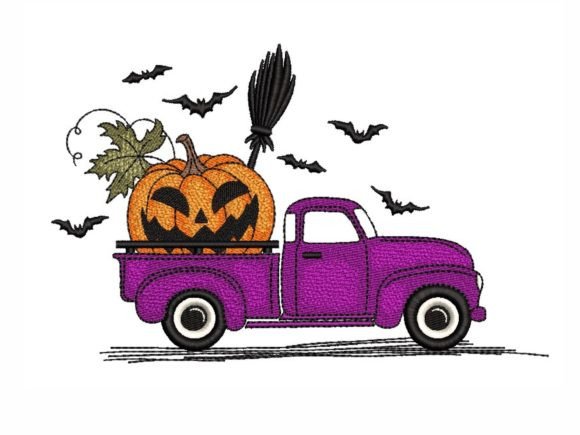
The first thing that strikes you about the Halloween Truck is its inherent charm. It does not scream "spooky" in a terrifying way; rather, it leans into the cozy, nostalgic side of the season. This makes it incredibly versatile for small business merch that aims to feel welcoming rather than alarming. The design feels rustic, friendly, and slightly playful, which is a perfect match for boutique brands, local bakeries, florists, and handmade shops looking to capitalize on seasonal trends without losing their warm aesthetic.
For a brand identity focused on community and comfort, this design acts as a strong visual anchor. It suggests a love for tradition and the changing seasons. When I look at this as a potential asset for a café or a pet brand, I see immediate opportunities for customer engagement. It is not just a holiday graphic; it is a mood setter. However, from a technical standpoint, we must look beyond the vibe to the stitch structure. Does it maintain clarity? Is the balance between fill stitches and running stitches appropriate for the intended use? These are the questions that determine if a digital embroidery file is ready for production.
Real-World Applications for Small Business Merch
The true value of any embroidery asset lies in its versatility. Here is how the Halloween Truck performs across various common merchandise items:
- Embroidered Patches: This is perhaps the strongest use case. A patch allows for higher stitch density and better definition of the truck’s details. It can be ironed onto denim jackets, canvas totes, or sold as a standalone accessory. The self-contained nature of a truck graphic works beautifully within a circular or rectangular patch border.
- Apron Embroidery: For bakeries and florists, an apron is a walking billboard. Placing this design on the chest pocket area adds a touch of seasonal personality to staff uniforms. It humanizes the brand and makes employees appear approachable and festive.
- Cap Embroidery: A smaller version of this design could work on the front panel of a dad hat or baseball cap. However, curvature is a challenge. The design must be simplified or scaled down significantly to avoid distortion on the curved surface of a cap.
- Tote Bag Design: Canvas bags provide a stable, flat surface ideal for larger embroidery. The rustic vibe of the truck complements the natural texture of canvas, making it a popular item for farmers' markets or boutique retail giveaways.
- Custom Apparel: On sweatshirts or flannel shirts, this design serves as a left-chest accent. It is subtle enough for daily wear but distinct enough to show brand pride during the autumn months.
Technical Considerations and Stitch Density
While the aesthetic is appealing, the technical execution requires careful attention. One of the most critical factors in commercial embroidery is stitch density. If the design is too dense, it can cause puckering, especially on lighter fabrics like cotton tees or linen aprons. Conversely, if it is too sparse, the underlying fabric may show through, ruining the professional look of the finished product.
I recommend testing the Halloween Truck on the specific fabric you intend to use before running a full production batch. Pay close attention to the wheels and the cab of the truck. These areas often contain small details that can get lost if the thread colors do not have sufficient contrast against the background fabric. For example, stitching dark brown thread on a black hoodie will result in a loss of detail. Always create a printable mockup or a physical sample to verify visibility.
Another crucial element is the choice of stabilizer. For stretchy fabrics like jersey knits used in t-shirts, a cut-away stabilizer is essential to prevent the design from distorting over time. For woven fabrics like canvas or denim, a tear-away stabilizer may suffice, but testing is key. The goal is to ensure the design lays flat and does not pull the fabric out of shape.
Where to Use Caution
Not every application is suitable for every design. With the Halloween Truck, there are specific scenarios where you should proceed with caution:
- Tiny Lettering: If the design includes any text, such as "Happy Halloween" or a brand name, ensure it is legible at the intended size. Small text often merges together when embroidered, becoming unreadable blobs of thread.
- High-Wear Areas: Avoid placing large, dense designs on areas that experience high friction, such as the underarm or sides of a shirt, unless necessary. This can lead to thread breakage and customer dissatisfaction.
- Dark Uniforms: As mentioned earlier, contrast is vital. If your client’s brand colors are dark, you may need to adjust the thread palette or add a white underlay to make the design pop.
- Curved Surfaces: As noted with caps, complex shapes do not always translate well to curved surfaces without significant digitizing adjustments.
Enhancing Brand Identity and Customer Trust
Using a high-quality machine embroidery design like the Halloween Truck does more than just decorate a product; it enhances brand perception. Customers associate embroidery with quality, durability, and premium value. A well-executed embroidered patch or logo signals that a business cares about the details. This builds trust and encourages repeat purchases.
For Etsy sellers and crafters, offering unique, seasonally relevant items can significantly boost sales. The Halloween Truck allows for the creation of limited-edition small business merch that feels exclusive and timely. It helps in creating a cohesive visual story across different product lines, from mugs to towels, strengthening overall brand recognition.
Practical Designer Notes for Production
Before you load this embroidery file into your machine for a client order, follow these steps to ensure success:
- Check File Formats: The description states this design comes with multiple embroidery file formats. Ensure you have the correct format for your specific machine (e.g., PES, DST, JEF) to avoid conversion errors that can alter stitch paths.
- Verify Hoop Size: Confirm the required hoop size matches your machine’s capabilities. Do not attempt to resize the design beyond recommended limits, as this can distort the aspect ratio and cause stitching issues.
- Test on Scrap Fabric: Always run a test stitch on the same type of fabric and stabilizer combination you plan to use for the final product. This reveals any tension issues or registration problems.
- Review Commercial Licensing: Before using this design for any commercial embroidery projects, confirm the license terms. Ensure you have the right to sell finished products featuring this design.
- Inspect Thread Colors: Match the digital color palette to your physical thread inventory. Sometimes, a color that looks bright on screen appears dull in thread form. Adjust as necessary for better visual impact.
In conclusion, the Halloween Truck is a promising addition to your library of design assets. It offers a blend of seasonal appeal and rustic charm that resonates with modern consumers. By paying attention to technical details like stitch density, stabilizer choice, and fabric compatibility, you can transform this digital file into a high-value handmade product that elevates your brand and delights your customers. Whether used for a cozy café apron or a trendy tote bag, this design has the potential to drive engagement and sales during the autumn season.