Lemon Slice Embroidery: A Designer’s Review for Boutique Sweatshirts
As an embroidery designer who has spent years digitizing and testing patterns for small clothing brands, I approach every new machine embroidery design with a critical eye. It is not just about whether the file runs smoothly; it is about whether the final stitched result elevates the garment. Recently, I evaluated the Lemon Slice design for an upcoming limited drop of premium sweatshirts for a boutique client. The goal was simple: create a piece of custom apparel that feels fresh, summery, and effortlessly chic. Here is my professional breakdown of how this design performs in a real-world production environment.
First Impressions: Mood and Aesthetic Appeal
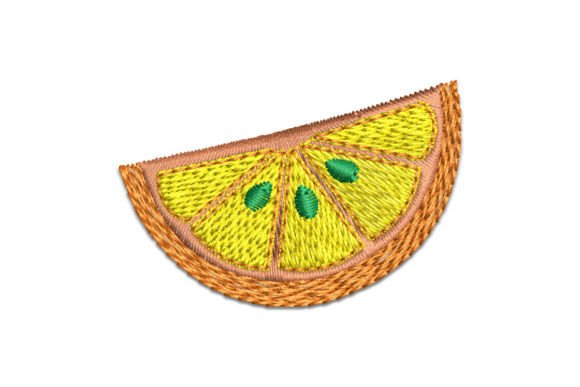
The moment I loaded the preview of Lemon Slice, the vibe was unmistakable. It captures a playful yet minimal aesthetic that fits perfectly within the current trend of fruit-inspired motifs in fashion. For a boutique brand aiming to sell a lifestyle rather than just a hoodie, this design hits the mark. It does not scream for attention with excessive complexity; instead, it offers a cute, decorative touch that feels organic and welcoming.
In the context of Food themed Embroidery, lemon motifs can sometimes look too cartoonish or juvenile. However, this particular iteration strikes a balance. It feels sophisticated enough for adult wearers while retaining a whimsical charm. When I imagine this stitched onto a high-quality, heavyweight cotton blend, the result is a finished product that looks intentional and curated. It is not just a logo; it is a piece of art that enhances the fabric texture rather than overpowering it.
Styling for Sweatshirts and Hoodies
The primary test for any hoodie design is versatility. I visualized Lemon Slice across several different garment bases to determine its commercial viability.
- Neutral Sweatshirts: On oatmeal, cream, or stone-colored fabrics, the yellow tones of the lemon pop beautifully. The contrast is soft yet distinct, creating a warm, inviting look that appeals to customers seeking cozy, neutral palettes.
- Dark Fabric: Placing this design on charcoal or navy requires careful selection of thread colors. A bright, citrus yellow against dark fabric creates a bold, high-contrast statement. It transforms a basic dark sweatshirt into a standout piece, ideal for streetwear-inspired collections.
- Pastel Colors: For spring collections, pairing the design with mint green or baby blue hoodies creates a harmonious, feminine look. The design feels light and airy, perfect for transitional weather apparel.
- Oversized Fits: On oversized silhouettes, placement is key. A small chest placement keeps the look minimal and premium, while a larger back placement can serve as a central graphic element. The scalability of the design allows for this flexibility without losing detail.
This adaptability makes it a strong contender for commercial embroidery projects where you need one asset to work across multiple SKUs. Whether you are an Etsy seller launching a new line or a small shop product developer, having a design that works on various backgrounds simplifies inventory management.
Technical Considerations for Production
While the aesthetic is promising, the technical execution determines whether a design is usable for professional sweatshirt embroidery. Here are the critical factors I considered during my review.
Stitch Density and Fabric Thickness
Sweatshirts and hoodies are typically made from thicker, looped fabrics like French terry or fleece. A common mistake is using a design with too high stitch density, which can cause puckering or make the garment feel stiff. Lemon Slice appears to have a balanced fill structure. However, before running a full production batch, I always recommend testing the embroidery file on your specific fabric weight. If the design feels too dense, adjusting the pull compensation or reducing density slightly in your software can ensure a softer hand feel.
Stabilizer Choice
For knit fabrics, the choice of stabilizer is non-negotiable. To prevent distortion around the curved edges of the lemon slice, a cut-away stabilizer is essential. This provides long-term durability, ensuring the design remains intact after repeated washing. For a premium handmade product, skipping this step is not an option. The stability of the hoop area directly impacts the perceived quality of the item.
Readability at Small Sizes
One concern with detailed food motifs is legibility when scaled down. If you plan to use Lemon Slice as a small sleeve accent or a pocket detail, check the hoop size requirements. Ensure that the intricate parts of the slice—such as the segments and rind—do not merge into a solid blob when stitched at smaller dimensions. Most modern digitizing accounts for this, but a test stitch-out is the only way to be sure. If the details hold up at 2 inches, it is safe for chest placements. If they blur, reserve it for larger back prints.
Enhancing Brand Identity and Value
Beyond the technical specs, how does this design contribute to your brand? In today’s market, customers buy into the story and the visual identity. A well-executed lemon motif can become a signature element for your boutique brand. It signals freshness, positivity, and attention to detail.
When creating printable mockup images for your online store, the texture of the embroidery adds depth that flat prints cannot achieve. The raised stitches catch the light, creating shadows and highlights that make your design assets look luxurious. This tactile quality increases buyer trust. Customers can visually perceive the effort and craftsmanship involved, which justifies a higher price point for your custom apparel.
Furthermore, consistent use of such motifs helps build visual recognition. If Lemon Slice becomes part of a seasonal collection, it encourages repeat purchases from customers who associate your brand with cheerful, high-quality designs. It is not just about selling a sweatshirt; it is about selling a feeling of summer warmth in the middle of winter.
Practical Tips for Etsy Sellers and Creators
If you are an Etsy seller or a creative entrepreneur looking to integrate this design into your shop, consider these final pointers:
- Check File Formats: Ensure the digital embroidery file you purchase is compatible with your machine. Common formats include PES, DST, and JEF. Verify this before starting your project.
- Thread Quality Matters: Use high-sheen rayon or polyester threads to mimic the juicy, vibrant look of a real lemon. Matte threads may dull the effect.
- Photography: When listing your small shop product, take close-up shots that highlight the stitch definition. Show the design on different colored garments to demonstrate versatility.
- Care Instructions: Educate your customers on how to care for embroidered items. Turning the garment inside out before washing protects the stitches and maintains the integrity of the design.
Before finalizing your production run, always verify the specific license terms associated with the machine embroidery design. While many files allow for commercial use, confirming the limits on the number of physical items you can produce is a crucial step for professional operations.
Final Verdict
The Lemon Slice design is a versatile and charming addition to any embroidery portfolio. It bridges the gap between playful and premium, making it suitable for a wide range of custom apparel projects. From cozy sweatshirts to lightweight tote bags, its adaptability ensures it can meet the diverse needs of modern consumers. By paying attention to technical details like stabilizer choice and thread contrast, you can transform this digital asset into a tangible, high-value product that resonates with your audience. For designers looking to inject a bit of sunshine into their next collection, this design is certainly worth stitching out.