Review: Two Fat Mother and Baby Elephants for Craft Fairs
As an embroidery designer who has spent countless weekends standing behind booth tables, I know that not every machine embroidery design translates into a bestseller. Some designs are technically perfect but lack emotional pull. Others are charming but impossible to stitch efficiently at scale. Today, I am reviewing Two Fat Mother and Baby Elephants through the lens of a craft fair vendor and small business owner. This isn't just about aesthetics; it is about viability, production speed, and customer connection.
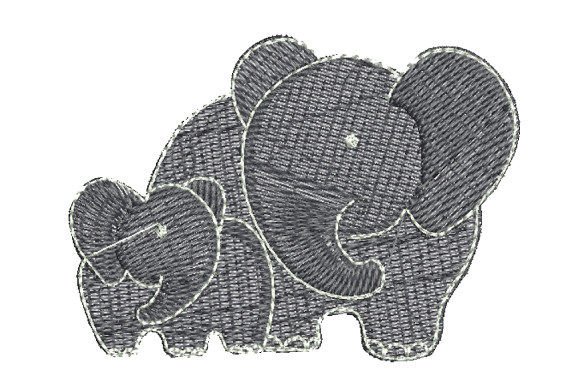
The concept behind this piece is immediately compelling. Inspired by an abandoned elephant mother with her two babies, the design captures a tender moment in nature. Baby elephants staying attached to their mother until weaning is a universal symbol of protection and love. For sellers of Wild Animals themed Embroidery, this narrative adds depth to the visual appeal. It moves the product from a simple animal image to a story-driven handmade product that resonates with parents, animal lovers, and gift buyers alike.
First Impressions and Market Fit
When I first loaded the digital embroidery file into my software, the immediate impression was "soft" and "cute." It does not scream modern minimalism or rustic farmhouse; instead, it sits comfortably in the decorative and giftable category. The title mentions "fat" elephants, which suggests a rounded, approachable silhouette rather than a realistic, anatomical study. This is crucial for craft fair sales. Customers walking past a booth have seconds to decide if they stop. A cute, stylized design is easier to process at a glance than a complex, hyper-realistic one.
This design feels particularly strong for spring and summer markets, as well as baby showers and nursery-themed events. It lacks the heavy darkness of winter holiday motifs, making it a versatile staple for your year-round inventory. However, its success depends entirely on how you apply it to your craft fair product lineup.
Product Application and Visual Impact
To maximize sales, you must match the design to the right substrate. Here is how Two Fat Mother and Baby Elephants performs across common handmade items:
- Tote Bags and Market Bags: This is arguably the strongest application. A large tote bag design featuring this elephant family creates an instant focal point. The rounded shapes of the elephants complement the flat surface of canvas or cotton totes. It appeals to eco-conscious shoppers who want something cheerful and unique.
- Aprons and Tea Towels: For kitchenware, placement is key. On an apron, centering the design on the bib creates a sweet, domestic vibe. For tea towel embroidery, ensure the design fits within the standard hemmed area. The "cute" factor works well here, turning a utility item into a decorative small shop product.
- Caps and Hats: Proceed with caution. Curved cap surfaces can distort wide designs. If the hoop size allows for a smaller, simplified version, it might work as a side emblem. However, if the design is too wide, it may wrap around the curve awkwardly, losing clarity.
- Embroidered Patches: If the stitch density is manageable, this design could make an adorable iron-on or sew-on patch. Patches are low-commitment purchases for customers, allowing them to add the design to jackets or backpacks later.
- Pillow Covers: A central placement on a neutral linen pillow cover elevates the perceived value. This moves the item from a casual craft to a home decor piece, allowing for a higher price point.
Production Practicality for Batch Selling
For those of us running commercial embroidery operations, time is money. When evaluating Two Fat Mother and Baby Elephants, consider the stitch density. Dense areas take longer to stitch and use more thread. If the design features solid fills for the elephants' bodies, check your machine’s tension settings to prevent puckering, especially on lighter fabrics.
Photography is another critical factor. Does the design photograph well for your Etsy seller listings? High-contrast thread colors against neutral backgrounds (like cream, white, or light gray) will pop in online thumbnails. Avoid stitching dark threads on dark fabrics unless you are certain the detail remains visible. A printable mockup can help you visualize this before committing to physical samples, but nothing replaces a real-life test stitch.
Batch production requires consistency. If you plan to sell fifty tote bags, can you hoop and stitch this design quickly? Check if the design requires frequent thread changes. Fewer color changes mean faster production times and fewer broken threads. If the design assets include multiple color variations, choose the one that balances visual interest with production efficiency.
Careful-Use Notes and Technical Considerations
Before you list this as a finished product, there are technical hurdles to clear. Not every fabric behaves the same way. Here are specific warnings for this type of design:
- Fabric Texture: Textured towels or thick denim can swallow small details. If the elephants have fine facial features or tiny eyes, these may get lost in the pile of a terry cloth towel. Test on scrap fabric first.
- Stabilizer Selection: Using the right stabilizer is non-negotiable. For stretchy fabrics like jersey tote bags, use a cut-away stabilizer to prevent distortion over time. For woven cottons, a tear-away may suffice, but test for hoop burn.
- Size Constraints: Designs often lose clarity when scaled down. If you shrink Two Fat Mother and Baby Elephants to fit a small pouch, ensure the separation between the mother and babies remains distinct. If they merge into a single blob, the design fails.
- Dark Fabrics: Stitching light-colored elephants on black fabric requires careful underlay stitching to prevent the background from showing through. Consider using a backing layer or adjusting digitizing settings if you have control over the embroidery file.
Enhancing Brand Consistency and Buyer Engagement
Ultimately, Two Fat Mother and Baby Elephants is more than just a pattern; it is a tool for brand building. If your boutique focuses on nature-inspired, gentle, or family-oriented themes, this design reinforces your brand identity. It signals to customers that your small shop product line is cohesive and thoughtful.
Customer attention is driven by emotion. The narrative of the mother protecting her young triggers a protective, nurturing response in buyers. This emotional connection increases buyer engagement and reduces price sensitivity. People pay more for items that make them feel something. Displaying this design prominently in your booth, perhaps on a high-visibility item like a tote or apron, can serve as a "hook" to draw people into your display.
Remember to verify the licensing terms. Ensure you have the rights for commercial embroidery if you are selling finished goods. Most digital designers offer different licenses for personal versus commercial use. Do not assume; check the documentation included with your digital embroidery file.
Final Designer Verdict
In conclusion, Two Fat Mother and Baby Elephants is a strong contender for craft fair inventories, provided it is applied wisely. It excels on flat, medium-weight fabrics like canvas totes and cotton aprons. It struggles on highly textured or curved surfaces unless carefully tested. Its strength lies in its emotional resonance and cute aesthetic, which aligns perfectly with the current demand for meaningful, handmade gifts.
My advice is to start small. Stitch one sample on a tote bag and one on a tea towel. Compare the thread colors and stitch density in natural light. Take photos for your Etsy shop and gauge online interest before committing to a large batch. With proper testing and strategic placement, this design can become a reliable staple in your Wild Animals collection, driving both foot traffic at fairs and clicks online.