Review: The Former Crown of the Royal Family
As an embroidery designer who has spent years digitizing logos and testing files for small business merchandise, I approach every new machine embroidery design with a critical eye. It is not just about whether a design looks pretty on a screen; it is about how it performs under the needle, how it translates to fabric, and ultimately, how it serves the brand identity of the client using it. Recently, I had the opportunity to review The Former Crown of the Royal Family, a digital file that promises to add a touch of regal elegance to various applications. For shop owners, Etsy sellers, and apparel decorators, understanding the practical viability of such a design is crucial before committing to production runs.
First Impressions and Visual Personality
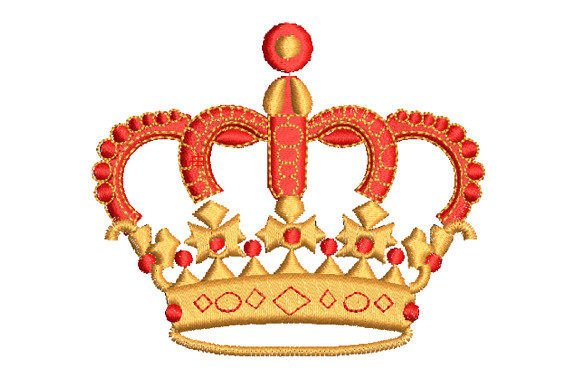
The title itself, The Former Crown of the Royal Family, evokes a sense of history and prestige. Upon loading the digital embroidery file into my editing software, the first thing I noticed was the structural integrity of the crown motif. The description notes that this royal crown embroidery was inspired by going to the movies based on past events, which suggests a cinematic, perhaps slightly dramatic aesthetic. This is not a minimalist, modern icon; it is a statement piece. The lines appear bold enough to hold their shape, which is essential for maintaining clarity in Embroidery work.
Visually, the design leans towards the classic and decorative side of the spectrum. It feels premium and authoritative, making it an excellent candidate for brands that want to project reliability, high quality, or a touch of luxury. For a handmade brand or a boutique, this design does not scream "playful" or "rustic." Instead, it communicates established value. When considering Accessories and branded goods, this visual personality is a powerful tool. It tells the customer that the product inside is worthy of respect and attention.
Real-World Applications for Small Business Merch
The true test of any design is its versatility in commercial settings. The Former Crown of the Royal Family is described as suitable for making a variety of team logos, and I agree, but its potential extends far beyond simple uniform branding. Here is how I envision this design performing in real business scenarios:
- Embroidered Patches: This is arguably the strongest use case. A crown motif works beautifully as a standalone patch. Whether ironed onto denim jackets, backpacks, or tote bags, a well-stitched crown patch adds immediate perceived value to the finished product. It allows customers to customize their own items, creating a secondary revenue stream for your shop.
- Staff Uniforms and Aprons: For high-end cafes, bakeries, or florists, staff presentation is part of the customer experience. Embroidering this crown on the chest pocket of a crisp white shirt or the corner of a heavy canvas apron embroidery project elevates the staff from service workers to brand ambassadors. It suggests that the establishment takes pride in its craft.
- Cap Embroidery: Placing a crown on the front panel of a dad hat or structured cap is a timeless look. However, the curvature of the cap requires careful digitizing. If the design is too wide, it will distort. Assuming the file is optimized for standard cap frames, this can be a bestseller for local sports teams or creative studios looking for custom apparel.
- Tote Bag Design: Canvas totes are staples for bookstores and markets. A central crown emblem creates a strong focal point. Because canvas has a distinct weave, the stitch density must be sufficient to prevent the fabric from showing through the gaps in the design, ensuring a lush, solid appearance.
Navigating Technical Challenges and Fabric Constraints
While the aesthetic appeal is high, there are technical considerations that every embroiderer must address. The description mentions adding luxury wherever your brand appears, but luxury requires precision. Here are the areas where The Former Crown of the Royal Family requires careful handling:
Stitch Density and Texture: Crowns often feature intricate details like jewels or pointed arches. If the stitch density is too high on a lightweight fabric, you risk puckering. Conversely, if it is too low on a textured fabric like terry cloth or heavy wool, the design may look sparse. I always recommend testing the file on the exact material you intend to use. For dark uniforms, ensure that the underlay stitches are robust enough to provide a smooth base for the top threads.
Size Limitations: Do not attempt to shrink this design down to a tiny chest logo on a polo shirt without verifying the legibility. Fine details in crowns can merge into a blob if reduced below a certain threshold. Check the minimum recommended size in the file documentation. If you are creating a printable mockup for client approval, simulate the smallest intended size to ensure the points of the crown remain sharp.
Hoop Size and Stabilizer: Confirm the required hoop size before starting. A crown design often benefits from a square or rectangular hoop to maintain symmetry. Using the correct stabilizer is non-negotiable. For stretchy fabrics like jersey tees, a cut-away stabilizer is essential to prevent the design from warping after washing. For woven fabrics like twill or canvas, a tear-away might suffice, but test first.
Impact on Brand Identity and Customer Trust
Why choose a crown? In marketing psychology, symbols of royalty convey authority, tradition, and excellence. By incorporating The Former Crown of the Royal Family into your small business merch, you are subtly signaling to your customers that your brand operates at a high standard. This affects brand identity by creating a visual anchor that is easily recognizable.
For Etsy sellers and crafters, consistency is key. If your other design assets are whimsical or hand-drawn, a highly structured royal crown might feel out of place unless your brand narrative specifically bridges the gap between playful and premium. However, for businesses in the beauty, legal, financial, or gourmet food sectors, this design reinforces professionalism. It builds customer trust because it looks intentional and polished, rather than hastily assembled.
Practical Designer Notes for Production
Before you sell this as part of your commercial offerings, follow these steps to ensure quality control:
- Test in Black and White: Stitch out the design in black thread on white fabric and vice versa. This reveals any gaps in coverage or issues with spacing that color might hide.
- Check Thread Color Contrast: If you plan to use metallic threads to enhance the "royal" feel, ensure your machine can handle them without breaking. Metallic threads require slower speeds and specific needles.
- Verify Commercial Licensing: The product description does not explicitly state the license terms. Always confirm that the digital embroidery file includes a commercial license allowing you to sell physical items made with the design. Never assume; always read the terms.
- Create Mockups: Use high-quality printable mockup templates to show clients how the crown looks on different items. This helps manage expectations and reduces revision requests.
- Inspect Spacing: Look closely at the points of the crown. Are they too close together? If so, you may need to manually adjust the digitizing to prevent thread bunching.
In conclusion, The Former Crown of the Royal Family is a potent asset for the right business. It is not merely a decorative element; it is a branding tool that conveys status and quality. By respecting the technical requirements of machine embroidery design and strategically applying it to patches, uniforms, and accessories, you can create merchandise that stands out in a crowded market. Remember, the difference between a good product and a great one often lies in the details of the stitch.