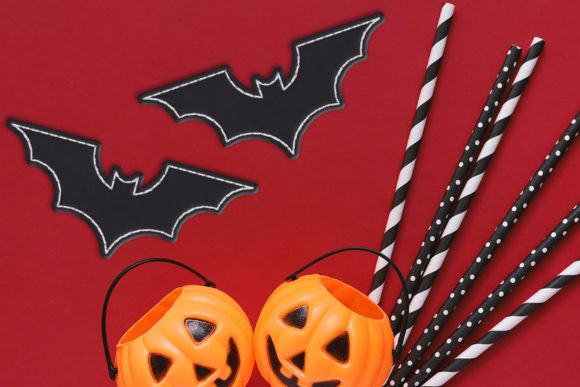
Review: Gothic Bat ITH Feltie Applique for Makers
As a designer who spends more time staring at stitch maps than actual fabric, I have learned that the difference between a charming handmade item and a professional-grade product often comes down to the quality of the digital assets we choose. Recently, I downloaded the Gothic Bat ITH Feltie Applique to test its viability for an upcoming autumn collection. My goal was not just to see if it stitched out, but to determine if it held up under the scrutiny of a discerning customer base. For Etsy sellers, boutique owners, and hobbyists alike, understanding how a design behaves in the hoop is critical before committing to production.
First Impressions and Visual Personality
The moment I loaded the file into my embroidery software, the silhouette caught my eye. It is bold, recognizable, and carries a distinct mood. The term "gothic" implies a certain edge, and this design delivers that without being overly aggressive or cluttered. For Halloween embroidery, many designers lean into excessive detail—cobwebs, moons, and text—which can often lead to stitching issues on smaller items. This design, however, relies on strong shapes and clean lines.
The visual personality here is versatile. While it is undeniably perfect for October, the stylized nature of the bat allows it to transcend seasonal limits. I could easily see this used for everyday gothic aesthetics, witchy decor, or even as a subtle accent on a year-round accessory. The layout suggests a focus on clarity, which is essential when working with felties. If the details are too fine, they get lost in the texture of the felt; if they are too dense, the piece becomes stiff and unappealing. This design seems to strike a balance that respects the material.
Real-World Application: The Tote Bag Test
To evaluate the Gothic Bat ITH Feltie Applique in a real-life scenario, I decided to create a custom embroidered tote bag. Tote bags are a staple for small shop products because they offer a large canvas for display, yet they require designs that can withstand movement and weight. I chose a heavy canvas fabric, which provides a stable base for in-the-hoop projects.
The process began with selecting the right stabilizer. Given that felt adds bulk, I opted for a medium-weight cut-away stabilizer to ensure the hoop did not distort the fabric during stitching. As the machine ran, I observed the stitch formation. The applique portion, where the felt is secured, appeared to use a combination of running stitches for placement and a satin or narrow zigzag stitch for the final edge. This is a standard and reliable method for felties, ensuring the edges do not fray while maintaining a crisp outline.
Once the project was complete, the bat sat prominently on the bag. The contrast between the dark felt and the lighter canvas created a striking visual appeal. It did not look like a cheap iron-on patch; it looked like an integrated part of the design. For a craft business, this level of finish is what justifies a higher price point. Customers can tell when a design has been thoughtfully executed versus when it has been hastily slapped onto a garment.
Fabric Considerations and Stitch Density
One of the most important aspects of reviewing any embroidery file is understanding how it interacts with different textures. Felt is forgiving, but the background fabric matters immensely. When I considered using this design on a sweatshirt, I had to pause and think about stretch. Sweatshirt embroidery requires careful handling of stitch density. If the design is too dense, it can cause the knit fabric to pucker or bubble around the edges of the felt.
For those planning to use this on stretchy fabrics like t-shirts or baby clothes, I strongly recommend testing on scrap fabric first. You may need to adjust your tension or use a heavier stabilizer to counteract the pull of the stitches. The Gothic Bat ITH Feltie Applique appears to have a moderate stitch count, which is generally good news for textured fabrics. However, always check the specific stitch density in your software before hitting start. A design that looks great on denim might struggle on a thin cotton tea towel if the density is too high.
Additionally, consider the thread colors. While black felt is the obvious choice for a bat, experimenting with deep purples, midnight blues, or even charcoal grays can add depth to your finished product. High-contrast thread colors for the tack-down stitches can either enhance the gothic vibe or distract from it, depending on your brand aesthetic. I found that matching the thread color closely to the felt created a more sophisticated, seamless look, ideal for boutique branding.
Commercial Viability and Brand Consistency
For Etsy sellers and digital product sellers, consistency is key. Your shop needs a cohesive look that customers recognize. This design fits well into a broader theme of whimsical yet dark aesthetics. It works beautifully for hair clips, bookmarks, and embellishments, as mentioned in the product description. These small items are excellent impulse buys at craft fairs.
However, before listing any items for sale, you must confirm the licensing terms. The product description notes that the file is meant for specific uses, but it cuts off before detailing commercial rights. Never assume a digital embroidery file includes commercial licensing. Check the creator’s terms explicitly. Using a design without proper clearance can lead to serious legal issues for your small business. If the license allows for finished physical goods, you are free to sell the tote bags, patches, and clips. If it restricts commercial use, keep your creations for personal gifts or sample portfolios only.
Practical Designer Notes for Best Results
To get the most out of this design, keep these practical tips in mind:
- Test on Scraps: Always run a test stitch on the same fabric and felt combination you plan to use for the final product. This helps you identify any tension issues early.
- Check Hoop Size: Ensure your machine’s hoop accommodates the design dimensions. In-the-hoop projects require precise alignment, so knowing your exact workspace is crucial.
- Inspect Small Details: Zoom in on the design in your software. Look for any potential jump stitches or overly complex corners that might cause thread breaks.
- Mockup Verification: Create printable mockups or digital previews in both light and dark backgrounds. This helps you visualize how the design will look in your online store listings.
- Stabilizer Choice: Do not skimp on stabilizer. Felt adds thickness, and the underlying fabric needs support to prevent distortion, especially on curved surfaces like caps.
Final Verdict
The Gothic Bat ITH Feltie Applique is a solid addition to any designer’s library, particularly for those focusing on seasonal or alternative aesthetic markets. It offers a clean, professional look that translates well across various mediums, from apparel to home decor. Its strength lies in its simplicity and bold shape, which ensures high stitching clarity and visual impact.
For the experienced maker, this design presents few technical hurdles, provided you respect the material constraints of felt and your chosen background fabric. For the beginner, it serves as an excellent introduction to in-the-hoop techniques, offering a forgiving learning curve with a high-reward finished product. Whether you are creating personalized gifts for friends or stocking your small shop with holiday inventory, this design holds up to professional scrutiny. Just remember to verify your licensing, test your tensions, and let the quality of your craftsmanship shine through.