Olive Leaves Border: A Designer’s Real-World Review
When I first loaded the Olive Leaves Border into my digitizing software, I wasn’t looking for flashiness. In the current market, especially for small shop owners and Etsy sellers, there is a distinct shift away from overly complex, dense designs toward clean, modern aesthetics that speak to quality rather than quantity. This machine embroidery design caught my eye precisely because of its restraint. It promises a modern and simple look, which is often harder to execute well in embroidery than intricate, heavy-fill patterns. As an experienced designer, I evaluate every new asset not just by how it looks on screen, but by how it behaves under the needle and how it translates into a finished product that a customer will value.
First Impressions: Mood and Visual Personality
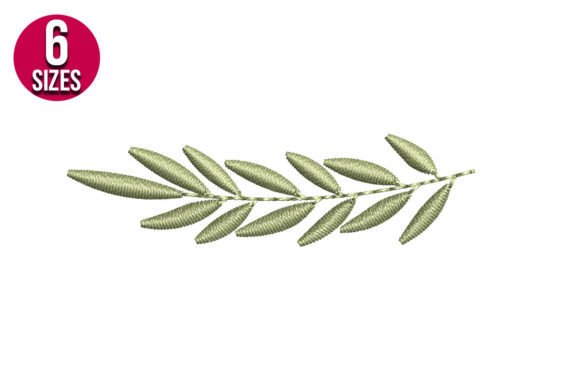
The immediate impression of the Olive Leaves Border is one of organic elegance. The layout suggests a natural flow, ideal for framing edges without overwhelming the fabric. For embroidery designers, the "simplicity" mentioned in the description is a double-edged sword; it requires precise stitch placement because there are no dense fill stitches to hide imperfections. The visual personality here is calm and sophisticated. It does not scream for attention, which makes it incredibly versatile. It feels at home in contexts ranging from rustic kitchen decor to minimalist boutique apparel. The theme of olive leaves carries connotations of peace, nature, and timelessness, adding an emotional layer to any handmade product it adorns.
Real-World Application: From Screen to Stitch
To truly test the viability of this design, I imagined a specific real-life scenario: creating a custom embroidered tote bag for a local farmer’s market vendor. The client wanted branding that felt earthy yet professional. Here, the Olive Leaves Border would serve as a perfect top-edge accent. Unlike a central logo, a border design allows the fabric’s texture to remain visible, creating a high-end, bespoke feel. When stitching on canvas or heavy cotton, the border’s structure needs to hold its shape without puckering. Because the design is described as having multiple embroidery file formats, it likely accommodates various hoop sizes, which is crucial for longer borders on items like tablecloths or curtains.
Beyond tote bags, consider the potential for sweatshirt embroidery. Placing this border along the hem or cuffs of a neutral-toned crewneck creates a subtle, luxury detail that appeals to the modern consumer. It transforms a basic garment into a personalized gift or a standout small shop product. For baby embroidery, such as on a muslin swaddle or a nursery blanket, the gentle curves of the leaves offer a soft, safe aesthetic that parents trust. The key in these applications is scale. A border that looks balanced on a napkin might look sparse on a large pillow cover, so understanding the dimensions relative to your hoop size is essential before you hit start.
Technical Performance and Fabric Considerations
While the design is modern and simple, its performance depends heavily on your choice of stabilizer and fabric texture. For thin fabrics like linen napkins or lightweight curtains, a cut-away stabilizer is non-negotiable to prevent distortion along the border line. If you are working with stretchy fabric, such as jersey for custom apparel, you must ensure the stitch density is appropriate. Too much density on a stretch fabric will cause tunneling, while too little may result in poor coverage. Since the description notes it is suitable for clothes, I assume the digitizer has accounted for some flexibility, but always test on scrap fabric first.
Dark fabric presents another challenge. If the Olive Leaves Border relies on fine running stitch details or subtle satin stitch edges, contrast becomes critical. Thread colors must be chosen carefully to ensure the design pops against deep navy or black backgrounds. I recommend testing the design in black and white mockups first to check for clarity. If the design loses its definition in monochrome, it may lack the necessary contrast for practical use on varied garments. Additionally, for curved surfaces like caps, a border design can be tricky. Unless the design is specifically curved or split for cap frames, applying a straight border to a curved panel requires advanced hooping techniques or may result in uneven stitching.
Enhancing Brand Value and Customer Trust
For craft business owners and digital product sellers, the choice of design assets directly impacts brand consistency. Using a cohesive style like the Olive Leaves Border across different products—aprons, tea towels, and patches—creates a recognizable visual language. This consistency builds customer trust. When a buyer sees a well-executed, clean border on a holiday embroidery item, they perceive higher value. It suggests that the maker cares about detail and modern trends. Furthermore, for those selling printable mockups or digital embroidery files, showcasing this design on high-quality lifestyle images can significantly boost buyer engagement. It serves as an excellent example of how less can be more in commercial embroidery.
Practical Designer Notes for Best Results
Before integrating this design into your workflow, keep these practical tips in mind:
- Check File Formats: Ensure the provided embroidery file formats are compatible with your specific machine. While multiple formats are mentioned, verify that your preferred extension (such as PES, DST, or JEF) is included.
- Test Stitch Density: Run a test stitch on similar fabric to check if the stitch density is too high for your material. Adjust tension if necessary to avoid puckering.
- Contrast is Key: Select thread colors that provide sufficient contrast against your fabric background, especially for detailed corners or finer leaf veins.
- Hoop Size Verification: Confirm the required hoop size. Borders often require larger hoops or multi-hooping techniques if the design exceeds standard 4x4 or 5x7 areas.
- Licensing Clarity: If you plan to sell finished items or use this as a design asset for commercial embroidery, confirm the licensing terms. Ensure you have the right to use it for small shop products and Etsy listings.
- Stabilizer Selection: Match your stabilizer to the fabric weight. Use tear-away for stable woven fabrics and cut-away for knits or items that will undergo frequent washing.
Final Verdict for Makers and Sellers
The Olive Leaves Border is a strong contender for designers seeking versatility and modern appeal. It bridges the gap between decorative flair and functional simplicity. Whether you are creating a personalized gift, updating your boutique branding, or expanding your range of handmade products, this design offers a professional finish. It respects the fabric it sits on, allowing the material’s quality to shine through while adding a touch of curated design. For the serious embroidery project, it is a reliable, stylish choice that meets the demands of today’s discerning customers. Just remember to respect the technical requirements of border work, and you will find this design to be a valuable addition to your library.