My 1st Reindeer Christmas: A Designer’s Review
As an embroidery designer who has spent years digitizing and testing files for commercial use, I approach every new machine embroidery design with a critical eye. It is not enough for a pattern to look cute on a screen; it must perform under the needle, withstand washing, and elevate the brand it represents. Recently, I reviewed My 1st Reindeer Christmas, a festive file that promises to transform fabric into holiday beauty. For small business owners, this review focuses on how this design functions as a tool for branding, merchandise creation, and customer engagement.
First Impressions: Visual Personality and Brand Fit
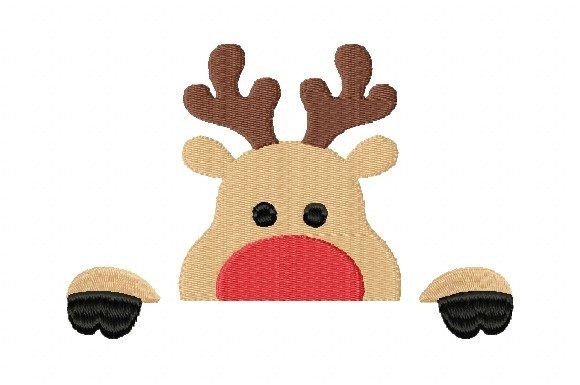
The title My 1st Reindeer Christmas immediately suggests a narrative of innocence, nostalgia, and warmth. Visually, the description implies a lovely, care-filled aesthetic. In the context of brand identity, this design leans heavily into the "handmade" and "friendly" categories. It is not starkly modern or aggressively bold; rather, it feels rustic, decorative, and approachable. This visual personality is crucial for businesses aiming to project trust and comfort.
For a boutique bakery, a florist, or a children’s clothing brand, this aesthetic aligns perfectly with a cozy, community-focused image. However, for a high-tech startup or a luxury minimalistic brand, the playful nature of the reindeer might clash with their established visual consistency. When evaluating design assets for your shop, always ask: does this image reinforce the story my brand tells? For seasonal campaigns, My 1st Reindeer Christmas serves as an excellent emotional connector, inviting customers into a shared celebration.
Real-World Applications for Small Business Merch
The true value of a digital embroidery file lies in its versatility across various products. Here is how I envision this design performing in real commercial embroidery projects:
- Embroidered Patches: This is perhaps the strongest application. A reindeer motif works beautifully as an iron-on or sew-on patch. Patches allow for inventory flexibility; you can produce them in bulk and apply them to different items later. They also solve the issue of hooping difficult garments.
- Apron Embroidery: For cafes and bakeries, staff uniforms are walking advertisements. Placing this design on the chest pocket or lower corner of an apron adds a personal touch that customers notice. It softens the professional look without sacrificing cleanliness.
- Tote Bag Design: Holiday shopping totes are a staple for retail shops. A centered reindeer design turns a simple canvas bag into a keepsake. Ensure the stitch density is appropriate for canvas to prevent puckering.
- Cap Embroidery: Using this on the front panel of a dad hat or beanie can drive significant sales. However, curved surfaces require careful digitizing. The design must be simplified slightly to ensure the curves of the cap do not distort the reindeer’s features.
- Custom Apparel and Onesies: Given the "1st Christmas" theme, this is ideal for baby clothes or family matching sets. Etsy sellers can leverage this for high-margin personalized gifts.
Technical Considerations and Production Challenges
While the artistic appeal is strong, technical execution determines the quality of the finished product. As a designer, I advise caution in several areas when using My 1st Reindeer Christmas.
First, consider stitch density. Festive designs often include solid fills for bodies and antlers. If the density is too high on thin fabrics like tri-blend t-shirts, the garment will pucker and feel stiff. Always use a proper stabilizer—cut-away for stretchy fabrics and tear-away for stable wovens. Test the design on scrap fabric identical to your production material before running a full batch.
Second, evaluate the scale. The phrase "My 1st" implies small, delicate details. If you shrink this design too much for a tiny left-chest logo, fine lines may merge or break. Conversely, if you enlarge it significantly for a back print, you must ensure the digitizing includes underlay stitches to support the top stitching. Check the recommended hoop size provided with the file. If the design exceeds your machine’s standard hoop, you may need to split the file or use a larger frame, which affects production time.
Third, thread color contrast is vital. On dark uniforms, a traditional brown reindeer may disappear. You might need to adjust thread colors to include white or metallic gold outlines to ensure visibility. Always create a printable mockup or stitch out a sample on the actual garment color to verify legibility.
Enhancing Brand Identity and Customer Trust
Incorporating seasonal designs like My 1st Reindeer Christmas does more than decorate; it signals activity and relevance. Customers trust brands that participate in cultural moments. A handmade product featuring this embroidery feels curated and special, increasing perceived value. It transforms a generic item into a limited-edition collectible.
For online sellers, high-quality photos of this embroidery on textured fabrics can boost engagement. The tactile nature of embroidery photographs well, highlighting the craftsmanship behind your small business merch. This visual proof of quality builds confidence in buyers who cannot touch the product physically. Furthermore, consistent use of such themed assets across your packaging, social media, and products creates a cohesive holiday campaign that strengthens brand recognition.
Practical Designer Notes for Implementation
Before launching this design in your store, follow these steps to ensure professional results:
- Check Licensing: Confirm the commercial licensing terms of the digital embroidery file. Ensure you have the right to sell physical items made with this design. Never assume; read the license agreement included with the download.
- Test in Monochrome: Stitch the design using only black thread on white fabric. This reveals the structural integrity of the digitizing. If it looks messy in one color, it will look messy in multiple colors.
- Review File Formats: Ensure the package includes the format compatible with your machines (e.g., PES, DST, JEF). If not, request conversion or use reliable software to convert it, checking for errors afterward.
- Fabric Texture Analysis: Thick towels require different tension settings than smooth polos. Adjust your machine’s tension and presser foot pressure based on the fabric texture to prevent looping or skipped stitches.
- Client Approval Mockups: If doing custom work for clients, present a digital mockup alongside a physical stitch-out. This manages expectations and reduces revision requests.
Final Verdict for Commercial Use
My 1st Reindeer Christmas is a charming addition to any holiday-themed catalog. Its strength lies in its emotional resonance and versatility across patches, apparel, and accessories. However, its success depends entirely on technical preparation. By respecting the limits of stitch density, choosing the right stabilizers, and verifying commercial rights, you can turn this lovely design into a profitable asset. For embroidery shops and handmade brands, it offers a pathway to connect with customers through the timeless appeal of festive, handcrafted quality. Stitch it with care, and it will indeed love the result.