Fog Lettering: A Designer’s Review for Fall Projects
As an embroidery designer who has spent countless hours digitizing, testing, and critiquing machine embroidery designs, I approach every new file with a mix of curiosity and skepticism. We have all been there: you download a design that looks stunning in the preview image, only to find it puckers the fabric or loses its charm once stitched out. This is why I took a close look at Fog Lettering. It is not just another seasonal graphic; it is a stylistic tool that promises to bridge the gap between vintage nostalgia and modern minimalism. In this review, I will break down how this design performs in real-world scenarios, from small shop merchandise to high-end custom apparel.
The Aesthetic Appeal of Fog Lettering
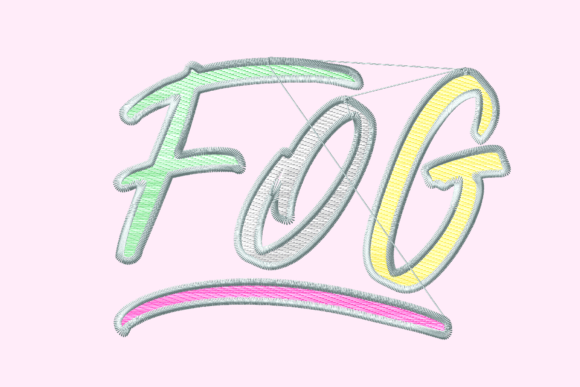
The first thing that strikes you about Fog Lettering is its atmospheric quality. The name itself suggests something soft, ephemeral, and gentle. Unlike bold, blocky fonts that demand attention, this design invites the viewer to look closer. The reliance on a beautiful satin stitch gives the lettering a smooth, raised texture that catches the light differently than flat prints or rougher fill stitches. This tactile element is crucial for embroidery because it adds perceived value to the finished product.
The visual personality of this design is versatile. It fits seamlessly into Autumn collections, evoking the misty mornings and cozy sweaters of the season. However, its clean lines prevent it from feeling dated or overly rustic. For a craft business owner, this versatility is gold. You are not limited to pumpkin-themed items; you can use this lettering for year-round projects that require a touch of elegance. Whether you are creating a personalized gift for a wedding or branding items for a boutique, the mood it creates is one of understated sophistication.
Real-World Application: The Tote Bag Test
To truly evaluate a machine embroidery design, you must imagine it on actual products. Let us consider a common scenario: preparing a custom embroidered tote bag for a local farmer’s market or an Etsy seller looking to expand their design assets. Canvas tote bags are popular, but they can be tricky due to their weave and potential for shifting.
When I visualize Fog Lettering on a natural cotton canvas, the satin stitch provides a necessary contrast against the textured fabric. The smoothness of the thread stands out against the rougher background, ensuring readability. If you were to use a running stitch here, the text might get lost in the weave. The satin stitch, however, covers the fabric adequately, creating a crisp, professional look. This makes it an excellent choice for tote bag design where clarity and durability are key. Customers often judge the quality of a handmade product by the neatness of the stitching, and this design’s structure supports a high-quality finish.
Apparel and Custom Sweatshirts
Moving from accessories to apparel, let us discuss sweatshirt embroidery. Fleece and French terry fabrics are staples for fall collections. Here, the density of the satin stitch becomes a critical factor. Because fleece has a pile, lightweight designs can sometimes sink in or disappear. Fog Lettering, with its solid satin coverage, sits nicely on top of the fabric without requiring excessive underlay that might make the garment stiff.
For custom apparel businesses, this means you can offer a premium look without compromising comfort. Imagine a charcoal grey sweatshirt with Fog Lettering stitched in a muted sage green or cream. The result is subtle yet impactful. It appeals to buyers who want modern styles but appreciate the warmth of vintage style designs. This balance is hard to achieve, and this design manages it well. It is also suitable for T-shirt designs, provided you use the correct stabilizer to prevent puckering on thinner knits.
Technical Considerations and Stitch Performance
While the aesthetic is strong, practical execution requires attention to detail. The description notes that it stitches out with a beautiful satin stitch. Satin stitches are gorgeous but can be prone to snagging if they are too long or if the tension is off. As a reviewer, I advise checking the stitch length settings in your software if you have the ability to edit the embroidery file. If you are using the file as-is, ensure your machine is well-maintained and threaded correctly.
Stitch density is another crucial aspect. Without specific technical data provided in the product description, I recommend testing the design on scrap fabric first. High-density satin stitches can cause perforation in lightweight fabrics, while low density might look sparse on heavy materials. Always pair this design with an appropriate stabilizer. For knit fabrics like t-shirts, a cut-away stabilizer is often safer to maintain shape after washing. For woven fabrics like aprons or pillow covers, a tear-away might suffice, but always test first.
Fabric and Color Choices
The success of Fog Lettering heavily depends on thread colors and fabric texture. Because the design relies on the sheen of the satin stitch, high-contrast combinations work best. Dark thread on light fabric, or vice versa, ensures the lettering pops. However, for a more subtle, tonal look—popular in modern minimalist decor—you might choose a thread color slightly darker than the fabric. This creates a shadow effect that enhances the "fog" concept.
Be cautious with highly textured fabrics like bouclé or heavy wool. The intricate edges of the letters might get lost. Smooth fabrics such as cotton poplin, linen, or fine fleece will showcase the design’s precision best. If you are working with dark fabric, ensure your thread has enough luster to stand out. Matte threads might blend in too much, reducing the visual impact of the satin columns.
Commercial Viability for Small Shops
For small shop product creators and Etsy sellers, time is money. A design that stitches out quickly and cleanly is invaluable. While I do not have the exact stitch count, satin stitch designs generally run faster than complex fill stitch patterns. This efficiency allows for higher production volume, which is essential during the busy holiday season. Whether you are creating holiday embroidery gifts or stocking up on baby embroidery items, speed and reliability matter.
Furthermore, the versatility of Fog Lettering allows for diverse product lines. You can use it on:
- Embroidered patch creations for jackets and bags.
- Kitchen towel monograms for housewarming gifts.
- Pillow cover accents for home decor collections.
- Cap and hat branding, though care must be taken with curved surfaces.
When selling digital embroidery file products or finished goods, presentation is key. Use printable mockup tools to show potential buyers how the design looks on different items. Highlight the texture of the satin stitch in your photos. Buyers engage more with images that show the depth and quality of the embroidery.
Final Verdict and Designer Notes
Fog Lettering is a strong contender for any designer’s library, particularly for those focusing on Autumn and transitional seasonal collections. Its ability to straddle vintage and modern aesthetics makes it a flexible asset for commercial embroidery projects. However, like any tool, it requires skillful handling.
Before launching a full production run, follow these steps:
- Test on scrap fabric: Verify the stitch density and tension on the specific material you plan to use.
- Check hoop size: Ensure the design fits comfortably within your hoop without hitting the edges, especially if adding other elements.
- Review licensing: Confirm whether the file allows for commercial use if you intend to sell finished items. This is critical for craft business integrity.
- Contrast check: View your design in black and white to ensure the lettering remains legible without color reliance.
In conclusion, Fog Lettering offers a refined, professional look that elevates simple garments and home goods. It is not just a design; it is a statement of quality. For makers who prioritize craftsmanship and customer satisfaction, this design provides the visual appeal needed to build trust and drive sales. Just remember to respect the technical requirements of satin stitching, and you will find this design to be a reliable partner in your creative journey.