Dance of the Skeleton: A Designer’s Review
As an embroidery designer who has spent years digitizing and reviewing files for small business merchandise, I approach every new machine embroidery design with a critical eye. It is not just about whether a motif looks cute on a screen; it is about how it translates to fabric, how it withstands wear and tear, and ultimately, how it serves the brand identity of the client using it. Recently, I evaluated Dance of the Skeleton, a spooky Halloween embroidery file that promises to spice up fall designs. For boutique owners, Etsy sellers, and apparel decorators, this review breaks down the practical application of this design in a commercial setting.
First Impressions and Visual Personality
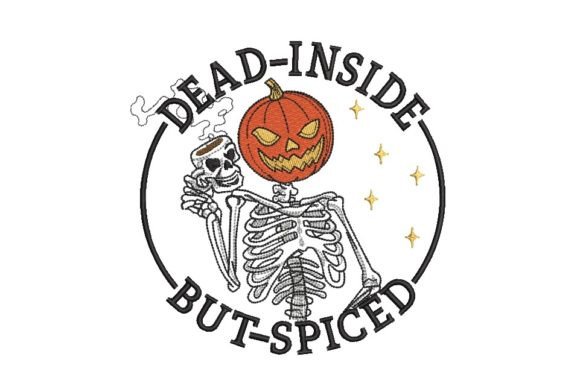
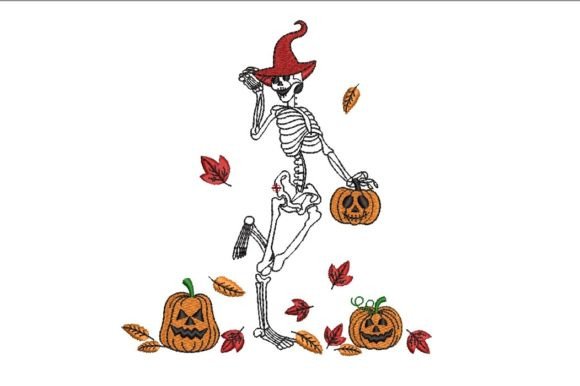
The title Dance of the Skeleton immediately suggests movement and personality. In the world of seasonal merchandising, Halloween offers a unique opportunity to showcase brand playfulness without sacrificing professionalism. Upon reviewing the visual structure of this design, it strikes a balance between decorative flair and bold clarity. It does not appear overly rustic or excessively elegant; rather, it leans into a modern, playful aesthetic that fits well within the current trends of handmade product branding.
For a small business owner, the visual personality of a design dictates its versatility. This particular motif feels friendly yet bold, making it suitable for a wide range of industries beyond just spooky-themed shops. A local bakery, a creative studio, or even a pet brand could utilize this skeleton motif to create limited-edition fall merchandise that feels curated and special. The key takeaway here is that the design avoids looking cheap or clip-art-like, which is essential for maintaining a premium perception in your finished product.
Real-World Applications for Small Business Merch
When integrating Dance of the Skeleton into your product line, consider where it adds the most value. The description notes that it comes with multiple embroidery options, which is a significant advantage for commercial embroidery projects. Here is how I envision this design performing across various mediums:
- Embroidered Patches: This is perhaps the strongest use case. A well-digitized skeleton design makes for an excellent iron-on or sew-on patch. Patches allow customers to customize their own jackets or bags, increasing engagement with your brand.
- Apron Embroidery: For cafes, bakeries, or florists, staff uniforms are walking billboards. Placing this design on the chest pocket or lower corner of a heavy canvas apron adds a touch of seasonal whimsy that customers love to photograph and share on social media.
- Cap Embroidery: Front-panel cap designs require clean lines and moderate stitch density. If the design scales well, it can serve as a striking focal point on dad hats or trucker caps, appealing to a younger demographic looking for unique streetwear.
- Tote Bag Design: Canvas tote bags are staples for handmade brands. A centered or corner-placed skeleton motif transforms a basic bag into a collectible item. Ensure the thread colors contrast sharply against the natural canvas for maximum visibility.
- Custom Apparel: From work shirts to hoodies, this design can act as a chest logo accent or a larger back print. For small business merch, consistency is key, so ensure the design aligns with your existing visual assets.
Navigating Technical Challenges and Fabric Constraints
While the artistic merit of Dance of the Skeleton is promising, technical execution is where many small businesses stumble. As a designer, I must advise caution regarding specific application areas. Not every surface is suitable for every digital embroidery file.
Stitch Density and Fabric Texture: One must carefully evaluate the stitch density of the design. High-density areas can cause puckering, especially on lighter fabrics like thin cotton tees or silk blends. Always test the design on the actual fabric texture you intend to use. If the design features fine details or tiny lettering, these may get lost or break during washing if the fabric is too textured or loose-weave.
Curved Surfaces and Small Sizes: Applying this design to cap fronts or small patches requires precision. Curved surfaces distort embroidery if not hooped correctly. Furthermore, if you scale the design down significantly for a small label or tag, intricate outlines may merge, resulting in a muddy appearance. It is crucial to check if the design retains its clarity at smaller sizes before committing to a large production run.
Dark Uniforms and Thread Colors: When working with dark uniforms, such as black chef coats or navy work shirts, thread color contrast becomes paramount. You may need to adjust the thread palette to ensure the skeleton pops against the background. A printable mockup can help visualize this, but nothing replaces a physical test stitch-out.
Impact on Brand Identity and Customer Trust
Using a cohesive design like Dance of the Skeleton contributes significantly to brand identity. Consistency in your design assets builds recognition and trust. When customers see high-quality embroidery on your packaging accents or customer gifts, it signals attention to detail and professionalism. This perceived value allows small businesses to command higher price points for their handmade products.
Moreover, seasonal designs foster buyer engagement. They create a sense of urgency and exclusivity. A limited-time Halloween collection featuring this skeleton motif can drive traffic to your Etsy shop or boutique, encouraging repeat visits from customers who want to see what you will release next season. It transforms a simple transaction into an emotional connection with your brand’s personality.
Practical Notes for the Embroidery Professional
Before you load this digital embroidery file into your machine for a commercial order, follow these essential steps to ensure a flawless finished product:
- Test in Black and White: Before selecting vibrant thread colors, stitch the design out in black and white. This helps you identify any issues with spacing, pull compensation, or density without the distraction of color.
- Verify Hoop Size: The product description mentions multiple embroidery options, but it does not specify exact hoop sizes. Confirm that the design fits your available hoops, especially if you are working with smaller items like baby onesies or patch blanks.
- Use Proper Stabilizer: Match your stabilizer to the fabric. Cut-away stabilizer is generally recommended for garments that will undergo frequent washing, while tear-away may suffice for decorative items like wall hangings or tote bags that see less abrasion.
- Check Commercial Licensing: Always confirm the license terms associated with the file. Ensure you have the right to use the design for physical goods sold in your small business merch line. Never assume a standard download includes commercial rights.
- Create a Mockup: Use a printable mockup or a digital composite to show clients or stakeholders how the design will look on the final item. This manages expectations and reduces the likelihood of revisions after production has begun.
In conclusion, Dance of the Skeleton offers a versatile and engaging option for fall-themed branding. By paying attention to technical details like stabilizer choice, fabric texture, and scale, small business owners can leverage this design to create high-value, memorable merchandise. Whether used for apron embroidery, custom apparel, or branded patches, it serves as a strong asset in your seasonal design toolkit. Always prioritize quality control and test thoroughly to ensure your final product reflects the professionalism of your brand.